

ASTM B912 Electropolishing of Stainless Steel: Specification, Benefits, Testing & Applications

erametssteel.
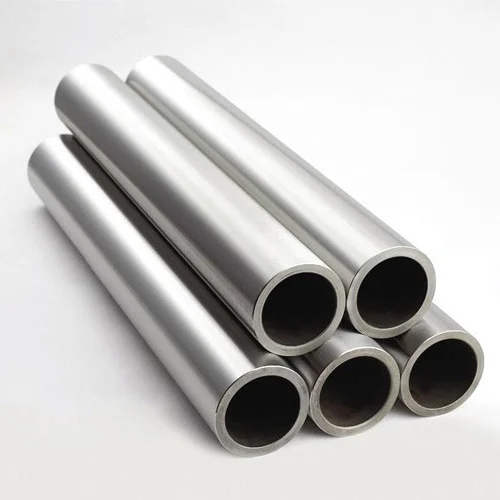
Stainless steel is widely used in industries where corrosion resistance, surface quality, cleanliness, and component reliability are essential. However, stainless steel performance depends not only on its chemical composition and mechanical properties but also on its surface condition.
ASTM B912 is the standard specification for passivation of stainless steels using electropolishing. This electrochemical surface-treatment process removes a controlled amount of material from the surface and, under suitable operating conditions, promotes passivation while improving surface smoothness and corrosion resistance.
For engineers, manufacturers, quality assurance professionals, and procurement teams, understanding ASTM B912 helps establish appropriate electropolishing requirements, select suitable inspection methods, and define acceptance criteria for stainless steel components.
In this guide, ERAMETS Steel Alloys explains the scope of ASTM B912, how electropolishing works, its key benefits, the differences between ASTM B912 and ASTM A967, and the considerations involved in specifying electropolished stainless steel.
Table of Contents
- What Is ASTM B912?
- ASTM B912 Specification and Scope
- How Does Stainless Steel Electropolishing Work?
- Key Benefits of ASTM B912 Electropolishing
- ASTM B912 vs ASTM A967
- Stainless Steel Grades Covered by ASTM B912
- Surface Finishes: AP, EP, MP and BA
- ASTM B912 Inspection and Testing
- Factors Affecting Electropolishing Quality
- Industrial Applications of Electropolished Stainless Steel
- How to Specify ASTM B912 for a Project
- Frequently Asked Questions
- Conclusion
1. What Is ASTM B912?
ASTM B912 is an ASTM International specification covering the passivation of stainless steel alloys through electropolishing.
Unlike conventional chemical passivation, which uses chemical treatments to promote the formation of a protective passive surface, electropolishing combines electrochemical material removal with surface conditioning. When performed under appropriate conditions, the process removes surface contaminants, including free iron, and improves surface smoothness.
Electropolishing can also remove heat tint and oxide scale when the starting surface and process conditions are suitable.
The resulting surface may offer improved corrosion resistance, reduced surface roughness, and easier cleaning. Actual performance depends on the stainless steel grade, initial surface condition, electrolyte chemistry, process control, and post-treatment procedures.
ASTM B912 does not replace the need to specify the correct stainless steel grade, component dimensions, surface-roughness requirements, or application-specific acceptance criteria.
2. ASTM B912 Specification and Scope
ASTM B912 covers the passivation of stainless steel alloys using electropolishing procedures. Its material scope includes stainless steel alloys in the 200, 300, and 400 series, along with precipitation-hardened stainless steels.
The source document identifies ASTM B912-26 as the active edition as of June 2026. Before specifying compliance, confirm the edition required by the purchase order, engineering documentation, or applicable contractual requirements.
Key Specification Details
| Parameter | Description |
|---|---|
| Standard | ASTM B912 |
| Standard title | Standard Specification for Passivation of Stainless Steels Using Electropolishing |
| Treatment | Electrochemical surface treatment |
| Material scope | Stainless steel alloys in the 200, 300 and 400 series, and precipitation-hardened alloys |
| Main objectives | Surface passivation, removal of free iron and surface smoothing |
| Process controls | Material condition, electrolyte formulation and operating parameters |
| Verification | Applicable inspection and test procedures specified for the project |
Important: ASTM B912 is a surface-treatment specification, not a standalone specification for stainless steel tube dimensions, pressure ratings, chemical composition, or product manufacturing.
For stainless steel pipes, tubes, fittings, and fabricated components, specify the applicable product standard and any additional surface-finish requirements separately.
3. How Does Stainless Steel Electropolishing Work?
Electropolishing is an electrochemical process that removes a thin, controlled layer of metal from a conductive component. The component is connected as the anode in a suitable electrolyte, and process parameters are controlled to achieve the intended surface condition.
A typical electropolishing workflow includes the following stages.
Step 1: Initial Inspection
The stainless steel component is inspected for visible defects, contamination, weld-related discoloration, and surface irregularities. Defects that cannot be corrected by electropolishing must be addressed separately.
Step 2: Pre-Cleaning and Preparation
Oil, grease, dirt, and other contaminants are removed before processing. Suitable preparation is essential for achieving consistent results.
Step 3: Electropolishing
The component is exposed to a controlled electrochemical process. Electrolyte chemistry, temperature, current density, treatment time, and material characteristics influence the amount of material removed and the final surface quality.
Step 4: Rinsing and Post-Treatment
Following electropolishing, the component is rinsed thoroughly. Any additional post-treatment required by the process specification is completed to remove residual process chemicals and support the required surface condition.
Step 5: Final Inspection and Verification
The finished component is inspected according to the applicable requirements. Depending on the application, inspection may include visual examination, surface-roughness measurement, dimensional checks, and specified passivation tests.
The sequence and acceptance criteria should be established in the approved process documentation rather than assumed to be identical for every stainless steel component.
4. Key Benefits of ASTM B912 Electropolishing
Electropolishing is selected for applications where the surface condition of stainless steel is an important performance factor.
Improved Surface Smoothness
Electropolishing can reduce microscopic surface irregularities. The achievable roughness depends on the original surface, material grade, component geometry, and process control.
Enhanced Corrosion Resistance
By removing free iron and smoothing the surface under appropriate conditions, electropolishing can improve corrosion performance. Results must still be evaluated against the operating environment and application requirements.
Removal of Surface Contamination
The process can help remove certain surface contaminants and, under suitable conditions, heat tint and oxide scale.
Easier Cleaning and Maintenance
A smoother surface may reduce locations where residues and contaminants can accumulate, making cleaning easier in appropriately designed equipment.
Improved Appearance
Electropolishing can produce a bright, clean, reflective surface. The exact appearance varies with the initial finish and processing conditions.
Support for Demanding Industrial Applications
When combined with correct material selection, sound component design, and suitable quality controls, electropolishing can support applications requiring consistent surface quality and corrosion performance.
Electropolishing does not automatically make a component sterile, establish a particular hygienic certification, or guarantee a specified surface roughness. Those requirements must be independently defined and verified.
5. ASTM B912 vs ASTM A967: What Is the Difference?
ASTM B912 and ASTM A967/A967M address stainless steel passivation through different treatment approaches.
ASTM B912 specifically covers passivation using electropolishing. ASTM A967/A967M covers several chemical passivation treatments, including nitric acid and citric acid immersion treatments and an electrochemical treatment.
| Comparison Point | ASTM B912 | ASTM A967/A967M |
|---|---|---|
| Primary focus | Passivation using electropolishing | Chemical passivation treatments |
| Surface material removal | Removes a controlled amount of surface material | Depends on the selected treatment; not equivalent to conventional electropolishing |
| Surface smoothing | A principal potential benefit of electropolishing | Not the primary purpose of conventional chemical passivation |
| Free iron | Removed during properly controlled electropolishing | Removal of free iron and other extraneous matter is a key concern |
| Verification | Applicable tests and acceptance criteria under the specified edition | Multiple passivation verification practices are defined |
| Typical selection consideration | When electropolishing and its surface-conditioning benefits are required | When a specified chemical passivation treatment is required |
The standards should not be treated as interchangeable. The appropriate choice depends on the component, required surface condition, service environment, customer specification, and agreed verification procedure.
Refer to the applicable official ASTM B912 and ASTM A967/A967M specifications for their respective scopes and requirements.
6. Stainless Steel Grades Covered by ASTM B912
ASTM B912 includes stainless steel alloys from the 200, 300, and 400 series, as well as precipitation-hardened stainless steels.
The suitability of a specific grade depends on its composition, metallurgical condition, surface preparation, and intended application.
300-Series Stainless Steel
Grades such as 304 and 316 are widely used in food processing, chemical equipment, pharmaceutical installations, and industrial fabrication. Grade 316L is frequently selected where its corrosion-resistance characteristics and low-carbon composition are appropriate.
200-Series Stainless Steel
The 200 series includes austenitic stainless steels with compositions that differ from conventional 300-series grades. Treatment parameters should be suitable for the particular alloy.
400-Series Stainless Steel
The 400 series includes ferritic and martensitic stainless steels. Their response to electropolishing varies with alloy composition and metallurgical condition.
Precipitation-Hardened Stainless Steel
These alloys are used where combinations of strength and corrosion performance are required. Treatment suitability must be evaluated for the particular alloy and condition.
Engineering recommendation: Do not select an electropolishing process solely by stainless steel series. Confirm compatibility with the actual grade, material condition, component geometry, and applicable specification.
7. Surface Finishes: AP, EP, MP and BA
Stainless steel purchase specifications often include finish abbreviations. These descriptions should be clearly defined in the purchase order because terminology can vary by product form and industry.
| Abbreviation | Common Meaning | Important Consideration |
|---|---|---|
| AP | Annealed and Pickled | Describes a heat-treated and pickled surface condition; not an electropolishing designation |
| EP | Electropolished | Describes an electrochemically treated surface |
| MP | Mechanically Polished | Describes mechanical surface finishing |
| BA | Bright Annealed | Describes a bright surface condition produced by controlled-atmosphere annealing |
These finish descriptions are not interchangeable, and none should be used as a substitute for a complete technical requirement.
For example, specifying EP alone does not establish a guaranteed Ra value, material grade, dimensional tolerance, or compliance with a particular hygienic or pharmaceutical requirement.
Where surface roughness is critical, specify the maximum or target Ra value, measurement method, inspection locations, and acceptance criteria.
For tubular products, the internal and external surfaces may require separate finish specifications.
8. ASTM B912 Inspection and Testing
Inspection and verification help determine whether the electropolishing process has produced the required surface condition.
ASTM B912 identifies procedures that may be used to evaluate the performance of specimens during passivation. The applicable methods should be selected and interpreted according to the specified edition and contractual requirements.
Water Immersion Test
A water immersion test can be used to assess surface performance under the prescribed test conditions. Acceptance must be determined according to the applicable standard.
High-Humidity Test
Exposure under controlled humidity conditions can be used to evaluate surface behaviour in accordance with the selected procedure.
Salt Spray Test
Salt spray testing may be specified to assess corrosion-related performance under defined test conditions. It should not automatically be treated as a direct prediction of service life.
Copper Sulfate Test
Copper sulfate testing is used in applicable passivation verification procedures to detect certain forms of free iron contamination on stainless steel surfaces.
Modified Ferroxyl Test
The modified ferroxyl test is another method identified for detecting free iron under applicable conditions.
Not every test is mandatory for every project. The applicable ASTM edition, test method, sampling plan, and acceptance criteria must be established before testing.
For critical components, the inspection plan may also include visual examination, dimensional verification, and surface-roughness measurements where required by the purchase specification.
9. Factors Affecting Electropolishing Quality
Achieving consistent results requires control over the material, surface preparation, processing conditions, and final inspection.
Material Composition and Condition
Different stainless steel grades respond differently to electropolishing. Alloy composition, heat treatment, and prior processing can affect the result.
Initial Surface Condition
Deep scratches, pits, embedded contamination, weld defects, and other irregularities may not be eliminated by electropolishing. Initial inspection is therefore important.
Electrolyte Chemistry
The formulation and condition of the electrolyte influence metal removal, surface uniformity, and process stability.
Process Parameters
Current density, treatment duration, temperature, and electrical conditions must be controlled for the selected alloy and component geometry.
Component Geometry
Recesses, narrow passages, internal bores, edges, and complex shapes may create challenges in achieving uniform treatment.
Rinsing and Post-Treatment
Inadequate rinsing or unsuitable post-treatment may compromise cleanliness and the final surface condition.
Inspection and Documentation
Consistent inspection, traceability, and clear acceptance criteria help establish whether the finished component meets the agreed requirements.
10. Industrial Applications of Electropolished Stainless Steel
Electropolished stainless steel is used in applications where surface quality, corrosion performance, cleanliness, or component reliability is important.
Pharmaceutical and Bioprocess Equipment
Electropolished stainless steel may be used in process equipment, tubing systems, vessels, and fittings where specified surface conditions and cleanability are important.
Food and Beverage Processing
Suitable stainless steel components with controlled surface finishes can support cleaning and hygiene requirements in processing equipment.
Semiconductor and High-Purity Systems
Electropolished components may be selected for specific high-purity fluid and gas-handling applications. Requirements for material grade, surface roughness, cleanliness, particle control, and testing must be defined for the intended service.
Chemical Processing
Electropolishing can improve surface condition and corrosion performance for appropriately selected stainless steel components. Compatibility with the actual chemicals, concentration, temperature, and operating conditions must be evaluated.
Aerospace and Precision Engineering
Electropolishing is used for selected components where surface condition, cleanliness, corrosion performance, or precision finishing is important.
The use of ASTM B912 alone does not establish suitability for any particular industry. Application requirements and any additional product or system standards must also be considered.
11. How to Specify ASTM B912 for a Project
When preparing a technical enquiry or purchase specification, provide enough information to define both the product and its required surface treatment.
A practical specification checklist includes:
- Base material: Stainless steel grade and applicable material specification.
- Product form: Tube, pipe, fitting, machined part, fabricated assembly, or other component.
- Surface treatment: Electropolishing and the applicable ASTM B912 edition.
- Surface requirements: Ra limit, appearance, and internal or external finish requirements, where applicable.
- Dimensional requirements: Applicable tolerances before and after treatment.
- Inspection and testing: Required tests, methods, sampling frequency, and acceptance criteria.
- Documentation: Material test certificates, process records, inspection reports, and traceability requirements, as applicable.
- Packaging: Protection against contamination and surface damage during storage and transport.
For example, a technical enquiry could identify the base stainless steel grade, product specification, required electropolished surface, a separately defined surface-roughness limit, and agreed inspection requirements.
This approach reduces ambiguity between the supplier, processor, quality team, and end user.
12. Frequently Asked Questions About ASTM B912
What does ASTM B912 stand for?
ASTM B912 is the standard specification titled Standard Specification for Passivation of Stainless Steels Using Electropolishing.
What is the purpose of ASTM B912?
It establishes requirements for passivating specified stainless steel alloys using electropolishing procedures. The process can remove free iron and smooth the surface under suitable operating conditions.
What is the difference between ASTM B912 and ASTM A967?
ASTM B912 focuses on electropolishing-based passivation. ASTM A967/A967M addresses chemical passivation treatments, including nitric acid and citric acid treatments and an electrochemical treatment. The appropriate standard depends on the required process and specification.
Does ASTM B912 specify a surface roughness of Ra 0.4 µm or Ra 0.25 µm?
ASTM B912 should not be treated as a universal numerical surface-roughness specification. A required Ra value must be stated separately and verified using the agreed measurement method.
Can ASTM B912 be used for stainless steel 316L?
316L belongs to the 300 series of stainless steels covered by the scope of ASTM B912. The actual process and acceptance requirements must be suitable for the material and application.
Is electropolishing the same as passivation?
No. Electropolishing is an electrochemical surface-removal process that can also produce passivation under suitable conditions. Conventional chemical passivation promotes the formation of the protective passive surface without serving the same primary surface-smoothing function.
Which tests are used to verify ASTM B912 treatment?
The applicable edition identifies procedures including water immersion, humidity, salt spray, copper sulfate, and modified ferroxyl testing. Required tests depend on the specified requirements and acceptance criteria.
Does ASTM B912 guarantee corrosion resistance in every environment?
No. Corrosion performance depends on the alloy, surface condition, process quality, and service environment. Material compatibility and application-specific testing may still be necessary.
Is ASTM B912 suitable for pharmaceutical and semiconductor applications?
It may be relevant to stainless steel components used in these industries when electropolishing is specified. Additional requirements for cleanliness, surface roughness, material certification, system design, and validation may apply.
Which edition of ASTM B912 should be specified?
Use the edition required by the customer, engineering specification, or purchase order. Confirm the current edition and applicable requirements with ASTM International before placing an order.
13. Conclusion
ASTM B912 provides a recognised framework for the passivation of stainless steel using electropolishing. The process can improve surface smoothness, remove free iron, and enhance corrosion resistance when the material and process conditions are appropriate.
For successful implementation, manufacturers and buyers should consider the stainless steel grade, initial surface condition, required finish, processing parameters, inspection methods, and service environment together.
A well-defined technical specification helps reduce ambiguity, improve quality control, and establish clear acceptance criteria for electropolished stainless steel components.
Looking for stainless steel materials or technical guidance for an industrial application?
ERAMETS Steel Alloys supports industrial material sourcing requirements across stainless steel and speciality alloy applications. Contact our team to discuss your material grade, product specifications, surface-finish requirements, and project needs.
Visit ERAMETS Steel Alloys to learn more about our products and services.
Technical note: This article is intended for general technical information. Always consult the applicable ASTM edition and project documentation for compliance requirements.